AGP Executive Report
Last update: 4 days agoIn the last 12 hours, the only item provided is a webinar-related notice titled “Scaling Microbial Early Decisions into Commercial Readiness.” The accompanying text is largely technical/form content and does not clearly connect to Sao Tome and Principe culture specifically, so there’s not enough substantive evidence in the most recent window to identify a clear cultural development beyond the existence of a webinar and an apparent focus on moving microbial work toward commercialization.
From 24 to 72 hours ago, the coverage is more outward-looking and regional/international rather than Sao Tome and Principe-specific. Several items relate to mobility and language/cultural diplomacy: a report on World Portuguese Language Day (May 5) highlights global celebrations across multiple countries and notes Portuguese’s UNESCO recognition and its role as a shared cultural link across continents, including São Tomé and Príncipe as an official Portuguese-speaking country. Other headlines in this window are about broader economic/trade and international positioning, but they don’t provide clear cultural implications for Sao Tome and Principe within the text shown.

In the 3 to 7 days range, the evidence shifts toward historical and social context that can intersect with Lusophone identity and regional culture. A historical review of the Carnation Revolution (1974) discusses Portugal’s colonial wars and explicitly references São Tomé and Príncipe among the liberation movements affected, framing the revolution as connected to anti-colonial struggle. Additional cultural-society coverage includes a data-driven look at religious diversity across countries (with no direct Sao Tome and Principe detail in the excerpt) and a feature on African malaria progress, which is not cultural coverage per se but does reflect public-health messaging and regional priorities.
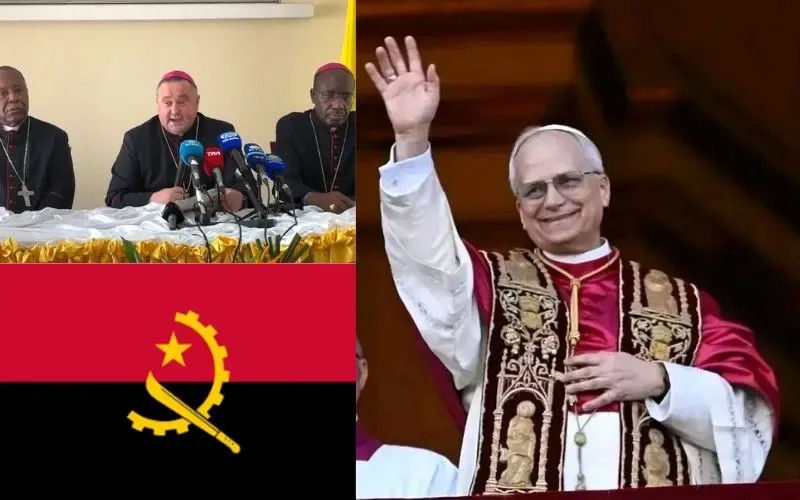
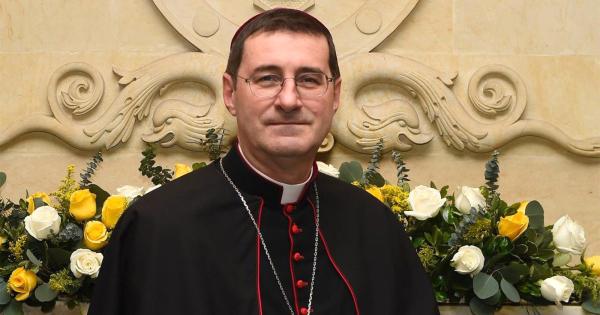
Finally, there is also cultural-religious reporting tied to the Catholic Church in Africa: one piece explores African Catholicism in the context of Pope Leo XIV’s apostolic journey, describing Africa’s Catholic population and noting that Catholic presence varies widely across the continent. Another item reports on a Southern African Catholic event hosted by the Archdiocese of Pretoria, focusing on persons with disabilities (PWDs), stigma, and inclusion—explicitly listing São Tomé and Príncipe among the IMBISA member countries mentioned. Overall, the older articles provide the strongest continuity for “Sao Tome and Principe Culture” themes (Portuguese-language heritage, colonial history, and Church/community inclusion), while the most recent 12-hour evidence is too thin to confirm a specific new cultural development.
Note: AI summary from news headlines; neutral sources weighted more to help reduce bias in the result.